Affiliate Disclosure: This site earns commissions from qualifying Amazon purchases at no extra cost to you. How we pick →
Sweater Buying and Care Guide

Not All Sweaters
Are Worth Your Money.

Merino, cashmere, cable knit, cardigans. What separates a sweater that lasts a decade from one that pills in a week -- and how to care for the ones worth keeping.

Sweater buying guide for merino cashmere and knitwear
Merino wool sweaters for everyday wear

Merino Wool

The everyday workhorse. Soft enough to wear directly on skin, warm enough to replace a jacket, odor-resistant enough to skip a wash.

Best Year-Round Investment
Why Merino Is Different
Regular wool scratches because the fiber diameter is too coarse -- over 30 microns, which is large enough to poke skin. Merino fibers are 15 to 24 microns, fine enough to wear directly against skin. Below 18.5 microns is superfine merino. That fineness is also why merino regulates temperature, wicks moisture, and resists odor in a way synthetic fabrics do not.
How to Spot Quality Merino Check the micron count if listed. Feel the fabric against the inside of your wrist -- it should feel soft, not rough. A quality merino sweater has tight, even stitching with no loose loops. Stretch the fabric gently and release -- it should return to shape. If it stays stretched, the fiber blend is weak or the knit is too loose.
Merino regulates temperature across a wide range, making it effective for both cool-weather wear and layering in cold conditions. It naturally resists odor for multiple wearings without washing -- a property of the fiber structure, not a treatment. Merino does not need to be washed after every wear. Air it out between uses and wash every 3 to 5 wearings.

Smartwool Classic All-Season Merino Base Layer

Certified 100% merino, mid-weight -- works as a base layer or standalone top

Smartwool has been the merino standard for decades -- the fiber sourcing is certified, the construction is consistent, and the mid-weight feels like a genuine sweater, not a performance underlayer. The Classic All-Season sits at the right weight for year-round use: warm enough in fall and winter, breathable enough not to overheat indoors. Machine wash safe on cold delicate.

Icebreaker Merino Waypoint Crew Sweater

ZQ-certified merino, structured knit -- the travel sweater that does not need a second bag

Icebreaker ZQ certification means the merino was sourced from farms meeting animal welfare and environmental standards -- relevant if sourcing matters to you. The Waypoint crew has a tighter, more structured knit than basic merino fleeces, giving it a finished look that works in most non-formal settings. Packs flat, resists wrinkles, odor-resistant enough for multi-day travel.

Amazon Essentials 100% Merino Wool Crewneck

Honest value merino -- 100% fiber, everyday weight, accessible price point

Amazon Essentials produces a legitimate 100% merino crewneck at a price that makes testing the fiber worthwhile before committing to premium brands. Construction is straightforward, fit is classic, and the fiber performs as merino should -- soft, temperature-regulating, and odor-resistant. Not a heirloom piece, but the right starting point to confirm merino fits your wardrobe before spending $150+.

Cashmere sweater buying guide and quality indicators

Cashmere

The luxury fiber -- lighter and warmer than wool at the same weight. What separates real cashmere from marketing.

Quality Varies Dramatically
The Problem With Cheap Cashmere
Cashmere comes from the undercoat of cashmere goats. Fiber length, diameter, and processing determine quality. Short-staple cashmere (from less reputable processing) feels soft initially but pills aggressively within weeks. Long-staple cashmere from Mongolian or Scottish mills stays soft for years. You cannot tell from feel alone in a store -- you find out after six months of wearing it.
! If the price is under $60 for a garment labeled 100% cashmere, assume it is not actually 100% cashmere or that the fiber grade is low enough to pill severely within weeks. Real cashmere at a legitimate quality level runs $100 and up for a basic crewneck.
Ply count indicates layers of yarn twisted together -- 2-ply is the standard for most cashmere sweaters, providing good warmth without bulk. Heavier constructions (3-ply or 4-ply) are for specific cold-weather applications. Grade A cashmere is the finest and longest fiber -- most brands do not advertise grade but will tell you if you ask. Mongolian and Inner Mongolian cashmere are generally the finest available commercially.

Quince Mongolian Cashmere Crewneck

Grade-A Mongolian cashmere at a price point that makes actual cashmere accessible

Quince disrupted the cashmere market by cutting out retail markup -- their Mongolian cashmere crewneck uses Grade-A fiber at a price where it actually makes sense to own several. The knit quality is legitimately comparable to pieces at three times the price. Available in a broad color range. The tradeoff is shipping time, not quality. This is the honest cashmere recommendation for anyone who has been priced out of the category.

State Cashmere Essential Crewneck

100% pure cashmere, wide size range, consistent quality across colors

State Cashmere sits at the mid-tier of the cashmere market with consistent fiber quality that holds up across multiple washes and seasons. The Essential crewneck is a 2-ply construction in a classic fit that works as a standalone top or under a blazer. The color range is extensive and the fiber feels noticeably different from budget cashmere blends -- this is the real thing at a reasonable premium.

Naadam The Original Cashmere Sweater

Direct-trade Mongolian cashmere -- the fiber sourcing story is verifiable

Naadam sources directly from Mongolian herders and the fiber traceability is part of their model. The Original is a lightweight 2-ply in a relaxed fit that drapes well. The fiber is noticeably airy for its warmth level -- lighter than merino but warmer. Worth the premium for people who want genuine supply chain transparency alongside quality construction. Dry clean or hand wash cold.

Cable knit sweater buying guide and construction quality

Cable Knit

The texture-first sweater. Construction density determines warmth and longevity -- not just how it looks.

Structure-Dependent
What Makes a Cable Knit Good
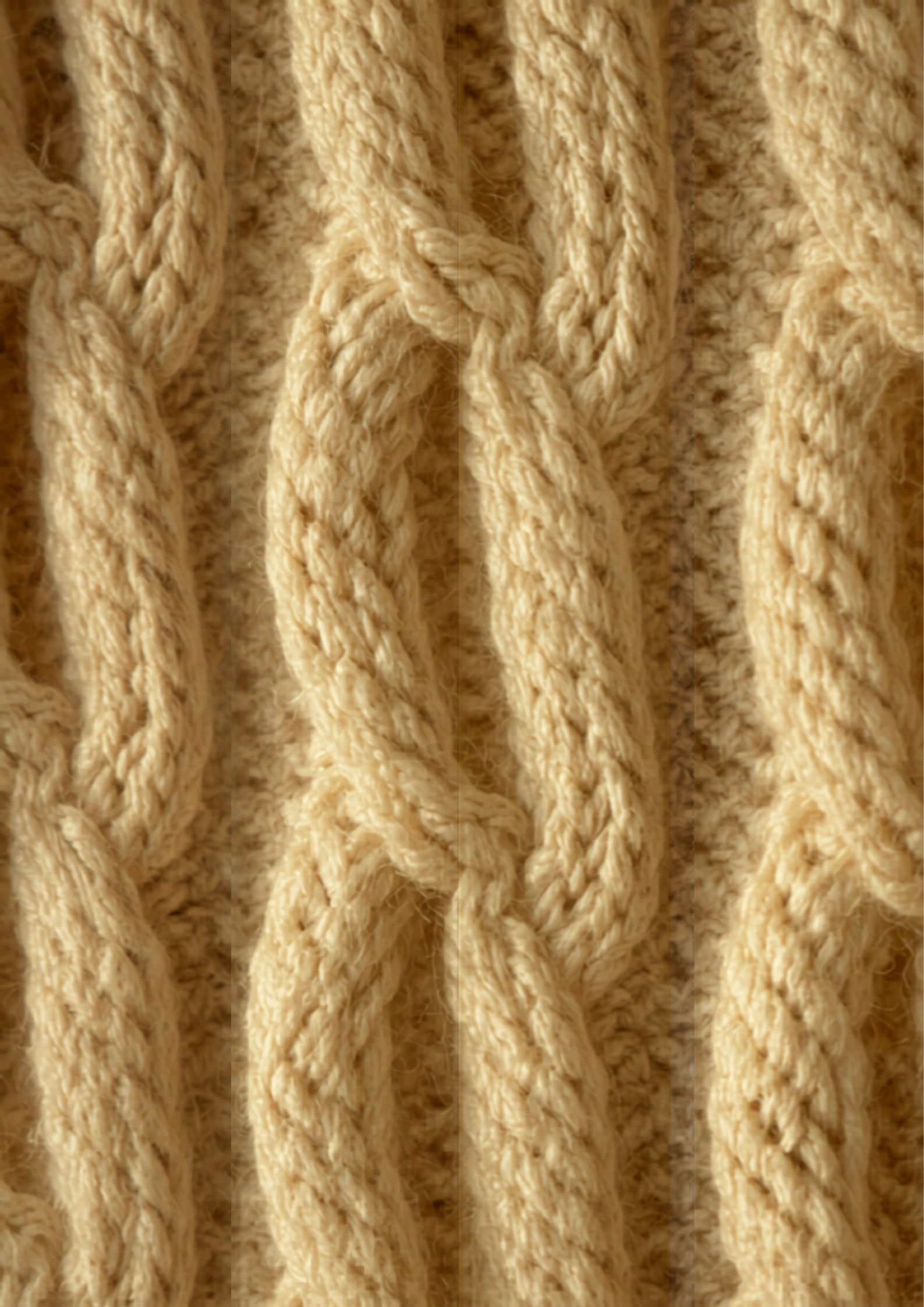
Cable knit texture is created by crossing stitches over each other during knitting -- the resulting rope-like pattern creates air pockets that add insulation. A tightly constructed cable knit traps more air and lasts longer than a loosely knit one. Loose cable knits lose their shape quickly and pill at the raised cable surfaces where the fabric takes the most friction.
Traditional Aran sweaters (Irish cable knit) are made from heavy lanolin-rich wool that is naturally water-resistant -- the original fisherman's sweater was functional, not decorative. Modern cable knits come in everything from chunky merino to acrylic blends. The fiber still matters: a cable knit in 100% cotton or acrylic will not drape or insulate the same way as one in wool or merino.

Pendleton Shetland Wool Cable Crew

Shetland wool cable knit -- the historically correct construction for this sweater style

Pendleton uses genuine Shetland wool for their cable crew -- the same fiber the original Aran sweaters were made from. The texture is more rustic than merino but the structure is dense, the pattern is well-defined, and it will outlast anything made from a softer but weaker fiber. Best worn over a base layer if you are sensitive to wool texture against skin. This one ages into something that looks better after ten years.

Amazon Essentials Heavy Cable Knit Crewneck

Chunky acrylic cable knit -- affordable, easy care, holds its shape well

Not every cable knit needs to be wool. If you want the visual texture of a cable knit in something machine washable, easy care, and not expensive to replace, the Amazon Essentials Heavy Cable Knit delivers consistent construction in the chunky weight. The acrylic fiber is noticeably warmer than thin acrylic blends. Good choice for casual use where wool is not worth the care requirements.

Carraig Donn Aran Fisherman Sweater

Authentic Irish Aran in 100% merino -- the real thing made the way it always was

Carraig Donn produces traditional Aran sweaters in Galway using 100% merino wool with the original cable, diamond, and honeycomb stitch patterns. Each pattern has a meaning -- the diamond for wealth, the honeycomb for hard work, the cable for safety at sea. If you want an Aran sweater that is actually made in Ireland from real wool with traditional construction, this is the one. Not a wardrobe fast fashion purchase -- a garment.

Cardigan sweater guide for layering and versatility

Cardigans

The most versatile piece in cold-weather dressing. The button-front that goes everywhere a jacket goes -- and stays when the jacket can't.

Highest Versatility Category
What to Look For
A cardigan's utility comes from being a layering piece that can be worn open or closed, over or under other garments, formally or casually. The construction details that matter are button quality (cheap buttons crack or pop off within months), buttonhole finishing (should be reinforced so it does not stretch out), and side seam integrity (cardigans pull at the side seams more than pullovers).
Shawl collar cardigans read as more casual and relaxed. Button-front crew neck cardigans work in more settings. Oversized drop-shoulder cardigans follow a different silhouette logic than structured fitted cardigans. Know what you are buying before you buy it -- the shape determines the use case.

Madewell Westport Cardigan (Waffle Knit)

Cotton waffle-knit cardigan -- the year-round layering piece that is always right

The Madewell Westport in waffle knit sits at the lightweight end of the cardigan spectrum -- it layers over a t-shirt and under a jacket without bulk, works in air-conditioned spaces in summer, and handles fall transitional weather on its own. The waffle texture adds visual interest without weight. Cotton construction means machine wash cold, line dry, and it lasts. The buttons are heavy resin, not plastic -- they hold.

J.Crew Everyday Cashmere Cardigan

Cashmere cardigan in a fitted silhouette -- the elevated everyday layer

J.Crew Everyday Cashmere is a thinner, more lightweight cashmere than their heavier pieces -- which is actually the right weight for a cardigan worn as a layer over a shirt. The fitted silhouette avoids the bulk that makes some cardigans unusable under blazers. The fiber is a genuine cashmere blend that improves with careful washing. Goes over a dress shirt or under a coat without looking thrown together.

Carhartt Full-Zip Mock Neck Sweater

Heavyweight cotton-blend cardigan for actual cold -- work-grade construction

Carhartt approaches knitwear the way they approach everything: it needs to hold up under actual use. The full-zip mock neck is a heavyweight cotton blend that works as an outer layer in mild cold or a serious mid-layer in severe cold. The fit is relaxed enough to layer over a flannel. Zippered cardigans give you temperature control that pullovers do not. Wash and dry without ceremony.

Turtleneck and mock neck sweaters for cold weather

Turtlenecks and Mock Necks

The sweater that eliminates the coat. Get the fiber and fit right and you will stop needing an outer layer in temperatures you used to dread.

Fit-Critical Category
Full vs. Mock Neck
A full turtleneck folds over and covers the neck completely -- it is warmer and more formal. A mock neck (or funnel neck) stands up without folding -- it is more casual, easier to layer under outerwear, and less claustrophobic for people who find full turtlenecks uncomfortable. Both serve the same thermal function; the fold is the only difference.
The Itch Problem Any fabric touching the neck and jaw is immediately obvious if it is scratchy. Do not buy a turtleneck in a fiber you would not wear directly against your neck skin. Merino and cashmere are the right calls here. A wool-blend turtleneck that passes the arm test may still drive you insane at the collar in thirty minutes. Test it before you commit.
Slim-fit turtlenecks layer under blazers cleanly. Relaxed-fit turtlenecks are standalone pieces. Ribbed turtlenecks have more structure and stay up without bunching. A turtleneck in a chunky yarn is a statement piece; a turtleneck in a fine merino or cashmere is a wardrobe utility that earns its keep daily for four months of the year.

Icebreaker Merino 200 Oasis Long Sleeve Mock

Midweight merino mock neck -- the base layer that works as a standalone sweater

The Icebreaker 200-weight merino sits at the crossover between base layer and standalone top -- thin enough to wear under a jacket without bulk, warm enough to wear on its own in cool weather. The mock neck construction is relaxed enough not to feel constrictive. Merino next to the neck means zero irritation. Machine wash cold, hang dry. ZQ-certified fiber sourcing.

Everlane The Cashmere Turtleneck

Grade-A cashmere turtleneck in a slim fit -- the one that goes under blazers

Everlane's cashmere turtleneck is a slim-fit piece designed to layer -- it sits close to the body without compressing, tucks cleanly under suit jackets and structured outerwear, and the cashmere fiber is soft enough at the collar that extended wear is not a problem. The color range covers classic neutrals. Hand wash cold and reshape while damp -- it will hold its fit across seasons with proper care.

Amazon Essentials Ribbed Turtleneck

Cotton ribbed turtleneck -- the practical everyday piece in an easy-care fabric

Not every turtleneck needs to be a wool investment. A cotton ribbed turtleneck fills the casual layer slot at a price where you can own multiple colors. The rib construction provides structure that keeps its shape through washing. Cotton does not have the temperature-regulation of merino but it is machine washable and never requires special handling. Useful for people building out a basic cold-weather wardrobe before investing in premium fibers.

Sweater care washing storage and pilling removal

Sweater Care

A well-made sweater lasts a decade with the right care. An expensive sweater lasts one season without it.

High Stakes -- Mistakes Are Irreversible
The Two Destruction Mechanisms
Wool and cashmere are destroyed by two things: heat combined with agitation (causes felting -- irreversible shrinkage and matting), and moth larvae (they eat the protein fiber from the inside out, leaving holes). Everything else is manageable.
! Never put wool or cashmere in a hot wash or a tumble dryer on heat. The fiber will felt permanently in one cycle. The care label is not a suggestion -- it is the only instruction that matters for preserving the garment.
Hand wash in cool water with a wool-safe detergent. Do not wring -- press out water gently and roll in a towel. Reshape and dry flat. Never hang wool or cashmere to dry or store -- the weight will permanently stretch the shoulders. Fold and store flat. Clean before seasonal storage -- moths are attracted to body oils and food residue, not to clean wool. Cedar blocks repel moths but lose effectiveness as the scent fades -- replace or re-sand annually.

Eucalan Delicate Wash (Wool Safe)

No-rinse wool wash -- eliminates the rinsing step without residue

Eucalan is a no-rinse formula specifically designed for wool, cashmere, and delicates -- you soak the garment for 15 minutes, press out the water, and lay flat to dry. No rinsing required. The formula contains lanolin, which conditions wool fiber as it cleans. The lack of a rinse step removes the agitation risk that comes with putting the garment back under running water. Available in unscented and several light scent options.

Gleener Ultimate Fabric Shaver

Rechargeable fabric shaver -- removes pilling without thinning or damaging the fabric

Pilling is cosmetic -- the sweater is not damaged, the pills are just surface fibers that tangled. A fabric shaver removes them cleanly. The Gleener battery-free model has three interchangeable blade guards for different fabric weights (fine knits, medium, and heavy), which prevents the over-shaving that thins fine cashmere. Safe on merino, cashmere, cotton, and most knitwear when used with the appropriate guard.

Cedar Space Cedar Blocks (20-pack)

Natural moth deterrent for sweater storage -- no chemical smell, reusable

Cedar contains natural oils that repel clothes moths and carpet beetles -- the insects that damage wool and cashmere during storage. Cedar blocks are pre-drilled for hanging in closets or placing in drawers and storage bins. Effectiveness fades as the cedar scent dissipates -- lightly sand the surface annually to refresh the oils. Not a moth killer, a deterrent: start clean storage with clean, dry garments for best results.

How We Pick

Last updated: May 2026

Every product on this site was evaluated based on fiber quality, construction integrity, fiber sourcing transparency where available, and whether the piece actually delivers what it claims at its price point. We do not feature products because they are trendy. We feature them because they represent the best choice in their category for longevity, performance, or value. Brands do not pay for placement. Commissions come only through affiliate links at no extra cost to you.

A note on how this was made

This guide is a human-led project produced by Angela Irizarry of Real Deal Pearls. Angela directed every product selection, editorial angle, and recommendation on this site. AI writing tools were used to help draft and organize content under her direct oversight and editorial judgment. We believe transparency about process is the right thing to do: yes, AI helped write this. A human decided everything it says.

Common Questions

What is the difference between merino wool and regular wool?
Regular wool has fiber diameters over 30 microns -- coarse enough to feel scratchy against skin. Merino wool is typically 15 to 24 microns, fine enough to wear directly on skin by most people. Merino also has natural moisture-wicking and odor-resistant properties that generic wool does not. The finer the micron count (17 or under is superfine merino), the softer and more expensive the garment.
How do I know if a cashmere sweater is real?
Real cashmere should feel immediately soft and slightly warm to the touch. Gently stretch a small section -- cashmere returns to shape slowly and stays springy; acrylic snaps back instantly. Check the label: real cashmere says 100% cashmere or lists a cashmere percentage with nothing synthetic in the blend. If the price is under $60 for 100% cashmere, it is almost certainly mislabeled or low-grade fiber. Burn test on a loose thread: cashmere smells like burning hair and produces a crushable ash; synthetic melts and smells like plastic.
Can I machine wash a wool sweater?
Most wool sweaters can be machine washed only on a specific delicate cycle with cold water and a wool-safe detergent -- and only if the care label explicitly permits it. Cashmere and fine merino should be hand washed in cool water. The reason: heat plus agitation causes the scales on wool fibers to lock together permanently. That is felting, and it is irreversible. Never put wool in a hot wash or a regular cycle.
Why does my sweater pill and how do I stop it?
Pilling happens when short or broken fibers on the surface tangle into balls through friction. Lower quality sweaters pill faster because the fiber length is shorter and the weave is looser. High-quality long-staple merino and tightly-woven sweaters pill significantly less. To prevent it: hand wash instead of machine wash, turn sweaters inside out, use a mesh laundry bag, and avoid rubbing against rough surfaces like bag straps. To remove existing pills: use a fabric shaver -- a sweater stone works for lighter pilling.
How should I store sweaters long-term?
Never hang wool or cashmere -- the weight stretches the shoulders over time and causes permanent distortion. Fold and store flat. For seasonal storage, clean the sweater first (moths are attracted to oils and body odor in the fabric, not to clean wool), then store in a breathable cotton bag or sealed plastic bin with cedar blocks or lavender sachets. Cedar and lavender are repellents, not killers -- replace cedar annually once the scent fades.